
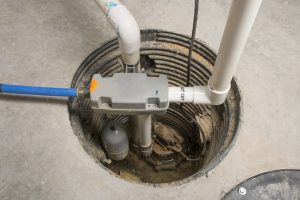
 With the coming of spring comes rains and the risk of flooding to New England, and we’ve all seen how powerful and damaging hurricanes can be in recent years. Everything you can do to protect your home from storm damage is money well spent. Most of the time, people think of this as things like storm shutters, and those are certainly important components for your home to have.
But water has a way of slipping into your home regardless of such measures, and to stop flooding on your property, you usually need a sump pump or similar device installed by a qualified technician. Now is an ideal time to schedule an installation session. Or, if you have a sump pump already, you should get it checked and possibly repaired (if need be) before you have need of it. Either way, a good plumber can help you out
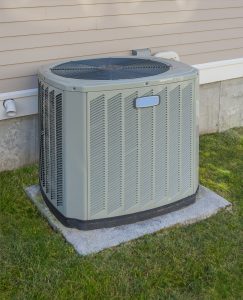 Spring has officially arrived, and that means summer won’t be far behind. Temperatures in the area can soar into triple digits, accompanied by the kind of humidity that only New England can offer. Your air conditioning system is going to be called into action early and often, and that means your summer cooling bills are going to go way up. But just because they’re higher doesn’t mean they should be any higher than necessary.
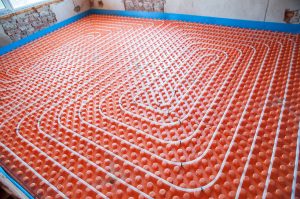 Most homes in the area used either forced-air furnaces or some type of boiler to stay warm in the winter. They’re inexpensive and efficient, which makes them great fits for a lot of homes. But they’re not right for every home especially those with unique heating needs or which preclude the use of necessary components like ducts. The good news is that there are a number of alternative HVAC systems available for such homes, and depending upon your needs, one of them may end up being a great fit. We’ve included a brief list below of some of the possible options.
  Hot water is an absolute necessity of life, and for that, you need a good quality hot water heater. That’s especially true in the winter when the weather gets cold and hot water is needed more than ever.
 The East Coast was hit with
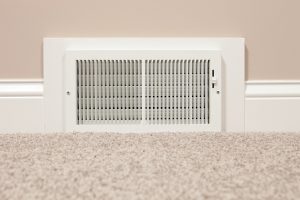 Winter is almost here, and cold temperatures are going to be staying a good long while. Your forced-air furnace was likely called into action some time ago, and by now you’re likely running it on a daily basis. Hopefully, it’s in good working order and you won’t need to worry about a breakdown during the cold winter months. Trouble with most forced-air furnaces tends to advertise itself well before it forces a shutdown, however, and wise homeowners will learn to spot them before they cause an unexpected shutdown. That way, you can deal with the issue in a timely fashion.
 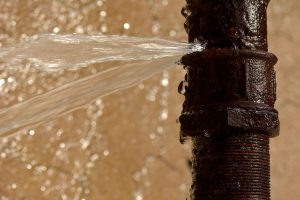 Winter is coming, and that means freezing cold weather will descend upon your home. A good heating system can keep you warm and comfortable, but other aspects of the household require attending to as well. Frozen pipes and burst pipes, in particular, are a danger this time of year. And they can strike without warning at any time: even in the middle of the night or while you and your family are away for the holidays. That can turn a comparatively minor household nuisance into a major problem in the blink of an eye.
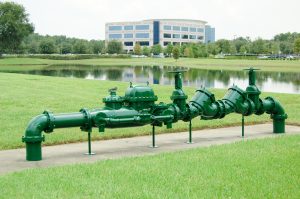 For many industrial businesses in the greater Boston area, backflow remains an important issue to prevent. This is the phenomenon whereby contaminated water mixes in with potable (drinking) water in a plumbing system and renders it unusable. It’s a problem anytime of year, but can be particularly thorny
  Water heaters rank among the most important components to your home: providing safe, reliable hot water for cooking, cleaning and bathing. Most of us are accustomed to the traditional tank model of water heater, with its tall cylindrical tank tucked away in the basement or garage. But it’s not the only type of water heater out there, and depending on your present circumstances, you might want to look into alternative models if you’re in the market for a new one.


